



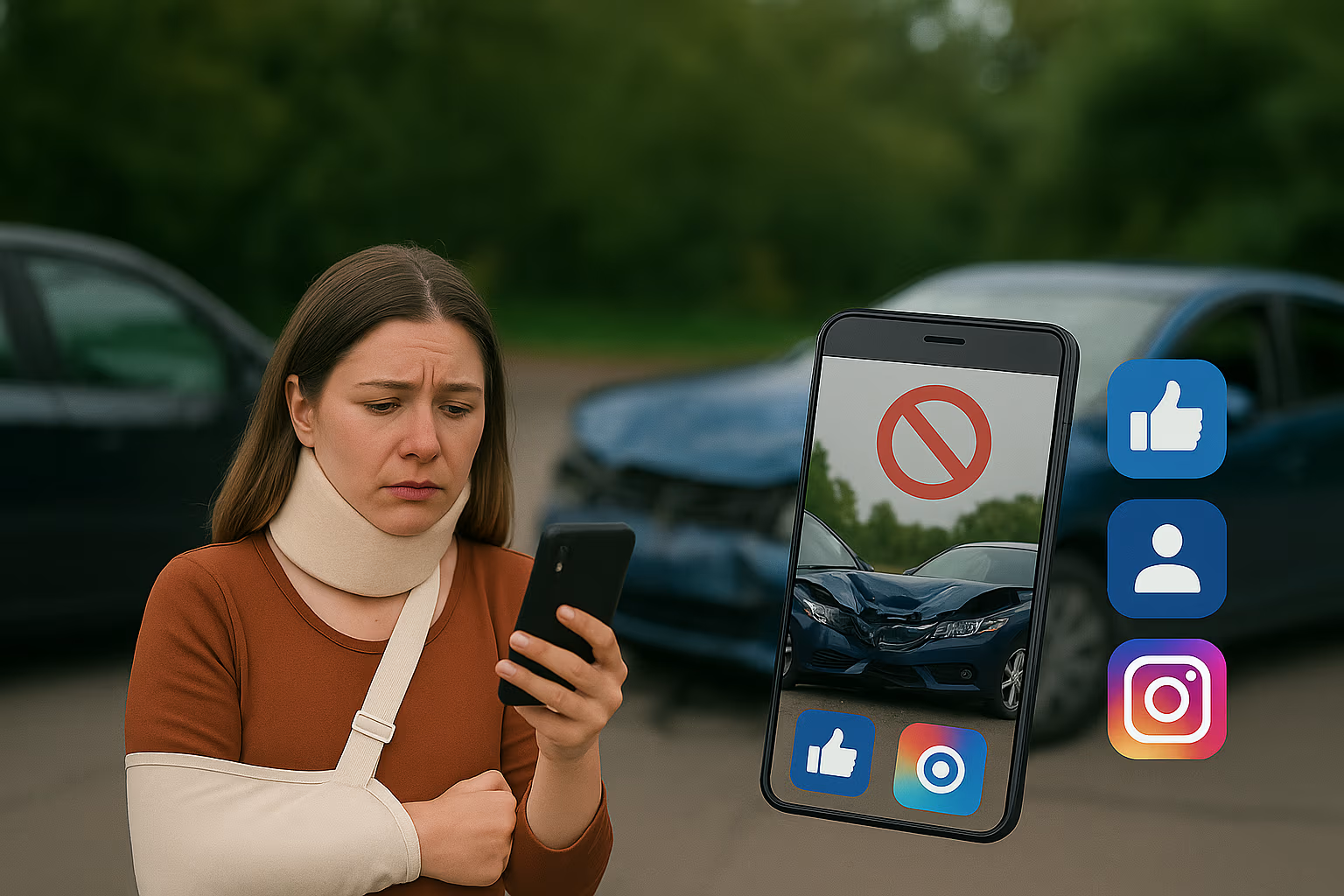
Social Media Can Destroy Your Texas Car Accident Claim
You’re at home after a wreck on I-35. Your phone buzzes with friends asking if you’re okay.
You pull up Facebook to post a quick update. Before you hit “post,” stop. That innocent update could destroy your injury claim under Texas law.
Insurance companies screenshot everything you share, every photo you’re tagged in, every comment you make. Under Texas’s modified comparative fault system, your own posts can shift fault percentages.
One Facebook post saying “I wasn’t paying attention” could assign you 51% fault and bar recovery completely.
Here’s what not to post and why it matters.
Why Social Media Matters in Texas Car Accident Cases
Texas uses a 51% bar rule. If a jury finds you 51% or more at fault, you recover nothing regardless of your injuries or damages.
Insurance companies monitor your accounts looking for posts that shift fault percentages. They present your posts to juries as evidence of negligence or dishonesty. Discovery forces you to hand over all content, even private posts.
Understanding what to do immediately after a car accident includes protecting your social media from the moment the crash happens.
7 Social Media Mistakes That Hurt Car Accident Claims
Your social media accounts contain evidence that insurance companies will use to reduce or deny your compensation. The danger isn’t just obvious admissions of fault.
Insurance adjusters search for any inconsistency between what you claim and what appears on your profiles.
1. Admitting Any Fault or Apologizing Online
Never post “I should have been paying closer attention” or “I didn’t see the other car.” Even “I’m so sorry this happened” gets twisted into an admission.
Vague statements about being distracted, tired, or rushing create fault percentages that reduce compensation.
Save your explanation for your attorney who understands what NOT to do after a rear-end collision.
2. Discussing Your Injuries or Physical Activities
“Feeling better” or “getting back to normal” suggests injuries aren’t serious, even if you’re still in pain. Photos at graduations, weddings, or restaurants get presented as evidence you’re not injured.
Never post about returning to work, even in limited capacity.
3. Posting Photos or Videos From the Scene
Photos showing you smiling or engaged in activity contradict injury claims.
Videos show movement, walking patterns, range of motion. Insurance companies hire experts who analyze footage to dispute medical reports.
4. Accepting or Responding to Friend Requests
Investigators pose as friendly strangers to access private content. Opposing parties create fake profiles with photos, posts, and mutual connections to get past your privacy settings.
5. Creating Crowdfunding or GoFundMe Campaigns
Public claims about financial hardship invite extra scrutiny. Inconsistent injury or damage descriptions between your fundraising page and your legal claim hurt credibility.
6. Deleting or Altering Posts
Deleting posts after they become relevant is spoliation of evidence. Courts impose severe sanctions including fines, harmful jury instructions, or case dismissal.
Insurance companies often recover deleted content through subpoenas anyway.
7. Allowing Family or Friends to Post on Your Behalf
Well-meaning loved ones can unknowingly hurt your claim. Comments like “Glad you’re doing better!” or tags at social events contradict injury severity. Ask them not to post about you or your accident.
Social Media Platforms Insurance Companies Monitor Most
Each platform stores and displays information differently. Insurance investigators know exactly where to look on each one.
Facebook and Instagram: The Most Dangerous Platforms
Facebook’s timeline displays your entire accident aftermath chronologically.
Investigators compile birthday parties, concert check-ins, vacation photos into evidence presentations shown to juries. Instagram stories disappear after 24 hours, but screenshots don’t.
Tagged photos create evidence you never posted. When friends tag you in posts or check you in at locations, insurance companies find these even when you share nothing directly.
TikTok and Video-Based Platforms
A 15-second video reveals more about your physical condition than photos. Videos capture your walking pattern, head movement, whether you favor one side.
Background audio matters too. That offhand “finally feeling normal” comment gets presented to juries as proof you’ve recovered.
LinkedIn and Professional Platforms
Updates about work responsibilities contradict claims about lost earning capacity. If you claim the accident prevents you from performing job duties, but your LinkedIn shows expanded responsibilities, that contradiction destroys credibility.
How to Communicate Safely After a Car Accident
Complete social media silence protects your claim best. Taking 10 minutes now to set boundaries saves thousands in lost compensation later.
What Family and Friends Can Accidentally Reveal
Posts by family about your accident create evidence you never intended. Your sister’s dinner photos become “proof” you’re not injured.
Your buddy tags you at a Rangers game. Comments like “Glad you’re doing better!” contradict injury severity.
Ask family explicitly not to post about you or your accident. Most people respect your request once they understand posts can eliminate compensation under Texas law.
Why Privacy Settings Don’t Actually Protect You
Texas discovery rules allow attorneys to request all social media content regardless of privacy settings. Courts routinely order victims to provide complete access. Refusing results in sanctions.
Investigators send friend requests from fake profiles or contact existing friends for screenshots.
Safe Alternatives for Updating Concerned Loved Ones
Text close family instead of posting publicly. Email updates directly to an email list. Face-to-face conversations or video calls eliminate the digital trail completely.
What If You’ve Already Posted About Your Accident?
Contact a Texas car accident attorney immediately before taking any action. What you do next determines whether existing posts complicate your case or destroy it.
Never Delete Posts After the Accident
Deleting posts after you know they’re relevant is spoliation of evidence. Courts impose severe sanctions: fines, jury instructions assuming deleted content was harmful, or case dismissal.
Once you’re aware posts might become evidence, leave them untouched.
Document What Already Exists
Take screenshots of problematic posts before contacting an attorney. Include the entire post with comments, likes, shares, timestamp, and location tags.
Don’t edit posts to make them less damaging. Editing creates metadata showing modification, which looks worse than leaving original content unchanged.
How Attorneys Minimize Existing Post Damage
An experienced attorney can petition for protective orders limiting how existing posts get used.
They argue for context: that photo of you smiling gets presented alongside medical records showing you were in severe pain that day.
FAQs About Social Media and Texas Car Accident Cases
Should I send photos of the accident scene to my insurance company?
Yes. Sending photos directly to your insurer through private channels is different from posting publicly. Your insurer needs documentation to process your claim.
Send through encrypted email or secure apps. Share information to gather after an accident with your insurer and attorney, but never post publicly.
Can I post about my accident if I don’t mention any specific details?
No. Even vague posts like “Had a rough day” establish timelines that investigators cross-reference with your accident date and medical records. Complete silence protects your claim best.
What should I do if I already posted about my accident on social media?
Contact a Texas car accident attorney before deleting anything. Courts impose severe sanctions for destroying evidence. Screenshots may already exist.
Your attorney reviews what you posted and develops a strategy for addressing it legally.
How long should I stay off social media after a car accident in Texas?
Stay off completely until your case resolves through settlement or trial. Texas cases often take months or years.
Insurance companies can withdraw settlement offers based on social media discoveries right up until you sign final release documents.
Can posting about my car accident on Facebook hurt my case in Texas?
Yes. Insurance companies use posts to argue you’re exaggerating injuries or admitting fault. Status updates, photos, check-ins, comments all become evidence presented to juries.
Get Legal Help Protecting Your Car Accident Claim
Social media mistakes destroy thousands of Texas accident claims every year. One innocent post can shift fault percentages and cost you substantial compensation.
We’ve spent over 30 years helping accident victims throughout Dallas, Houston, Austin, and Fort Worth.
Call us now for a free consultation.