What Information Should You Get from the Other Driver If Involved in a Car Crash?


Every article on this site is researched by our internal team, reviewed for legal accuracy against current Texas law, and held to State Bar of Texas advertising standards before publication. We do not publish content that overstates outcomes or makes promises about results.
Learn more about our
editorial standards .
Key Takeaways
- Get driver's license, registration, insurance, and contact info from the other driver
- Document everything: take photos/videos of damage, location, and collect witness statements
- Texas uses comparative fault laws - proper documentation prevents you from being blamed
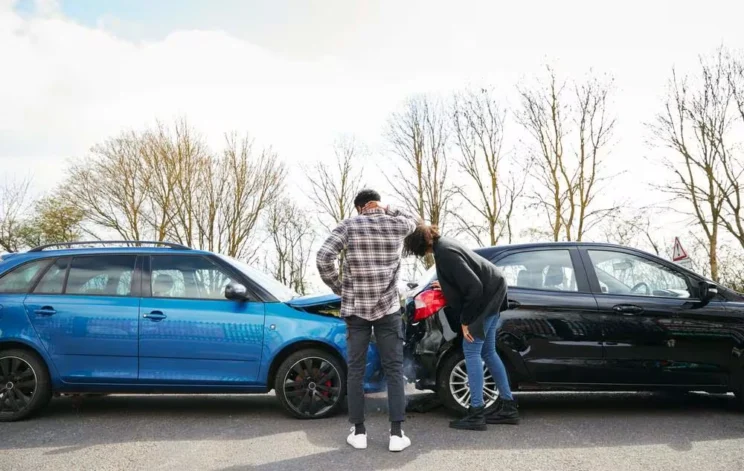
Essential Information to Collect at the Accident Scene to Protect Your Rights
The first few moments after a car accident are bound to be confusing. One minute, you’re driving to work, running errands, or off to pick up your kids. In a fraction of a second, you may now be facing oncoming traffic after being spun around by another vehicle that rammed into you.
The steps you take after a car accident are vital for your recovery of compensation. In Texas, the at-fault driver is held responsible for the victim’s injuries and damages. The laws in the state for modified comparative negligence may mean you are partially blamed and the only way to prevent that from happening is to know what to do after a car accident.
Angel Reyes & Associates is a personal injury law firm in Texas devoted to helping car accident victims. In this blog post, we discuss what to do after a car accident, including what to ask for after a crash in terms of information. We’ll also cover the steps that help you protect your rights and how a car accident lawyer can be instrumental in the aftermath.
immediate Steps to Take After a Car Accident
More than likely, you will experience a surge of adrenaline following your car accident, which may make it difficult for you to think coherently. The most important step to take first is to ensure your safety and the safety of any passengers in your vehicle.
Take a moment to check on everyone and check yourself as well. If there are any injuries, make sure that you get medical help. You should also contact the police to have them respond to the scene, especially if you cannot move your vehicle.
According to state laws, the police must be notified of any car accident that results in injuries, fatalities, property damage over $1,000, or vehicles that have been rendered disabled. When you speak with dispatch, let them know if you have any injuries so emergency medical services will be sent to the accident scene.
You may not see any physical injuries as you check yourself over but it is a mistake to assume that you are fine. While you may not need to go to the emergency room, you should make sure to get a full medical evaluation.
Many injuries are not obvious from the outside, including traumatic brain injuries, spinal cord injuries, and internal bleeding. Without medical treatment, these injuries can worsen and become life-threatening. Even if you think you’re okay, stop by an urgent care clinic or visit your doctor’s office and get prompt treatment for any injuries they discover.
Critical Details to Collect from the Other Driver
Another thing you must do after a car accident is exchange information with the other driver. If you have never been in an accident before, you may not be sure what kind of information to get after a car crash. Here is what you will need:
Driver’s License Information
The other driver should have a valid driver’s license. They should show this as proof that they are who they claim to be and that they are legally permitted to operate a motor vehicle.
Vehicle Registration
You’ll also need to see the registration for the vehicle to make sure it is registered with the state. If the at-fault driver is from another state, they should have valid registration from the state in which they reside.
Insurance Information
The other driver must have a valid insurance policy. Texas requires a minimum coverage of $30,000 per person, at least $60,000 per accident, and minimum property damage coverage of $25,000.
Contact Information
You’ll want to confirm that the address on the other driver’s license is correct and also get their phone number and email address.
In turn, you must be able to present these items to the other driver in accordance with state laws. While most drivers will be cooperative, some may refuse to provide this information. This is why it is always best to call the police after an accident. All drivers involved will be required to present this information to law enforcement.
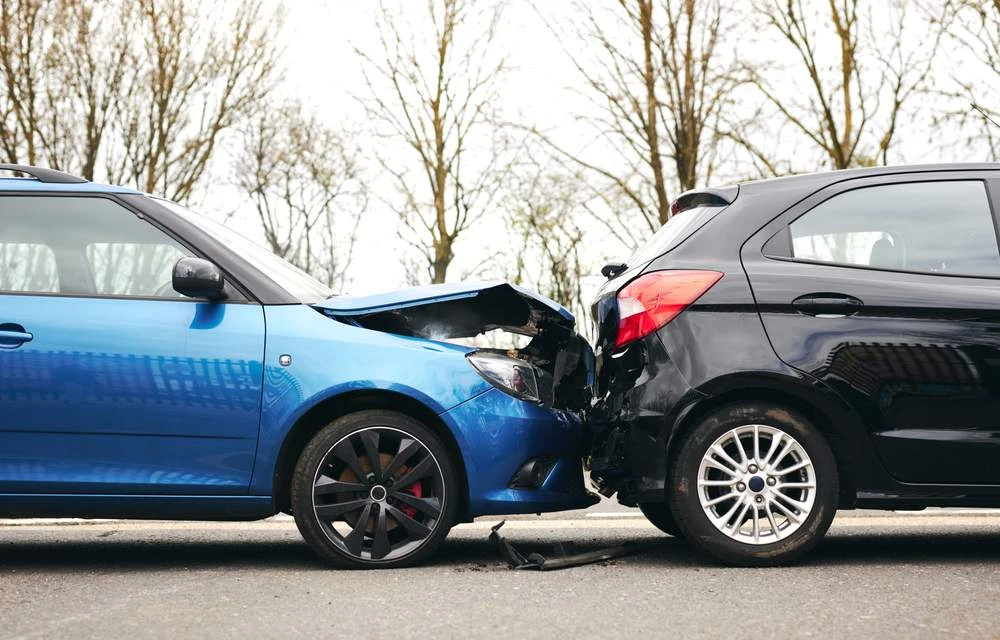
Documenting the Accident Scene
In addition to details to collect from the other driver, you should make sure you document the accident scene. The police will do this for their accident report but having your own set of documentation can be a tremendous asset in your car accident case.
With the laws for modified comparative fault in the state, you do not want to be blamed for an accident you didn’t cause. It will come down to the evidence presented to prove you were not at fault.
Taking Photos and Videos
Your smartphone makes it easy to document the scene of a car accident. Take photos of all involved vehicles. Make sure you capture their positions as well as their damage.
Videos are a quick way to pan across the entire area. You’ll be able to show the entire intersection or stretch of road where the accident occurred, the weather at the time, and other relevant factors.
Additionally, if you have any physical injuries, you should get photos of them too. If your injuries are serious, make sure you get prompt medical attention.
Noting the Accident Location and Time
While video footage can show the accident location and time, it can also help to make a note of it in your phone. You can type it in or make a voice recording where you provide as much detail as you can recall. Taking this step immediately after the accident can help you note important details that may fade from your memory over time.
Collecting Witness Information
There is a good chance that someone else saw your accident unfold. If anyone stopped to check on you, you should make sure to collect their information. Get their full name, address, phone number, and email address. You can also ask them to record a statement of what they saw happen before or during the accident.
How Angel Reyes & Associates Can Help
Unfortunately, not every accident victim is capable of taking these steps. In serious accidents, victims are often transported to the hospital for life-saving surgeries and treatments. If this was the case in your accident, you will want to obtain legal representation.
With Angel Reyes & Associates, the advantage of getting legal help while you recover from your injuries is essential. A car accident attorney can get the police report and use this information to contact the other driver’s insurance company. They can also call your insurer on your behalf to let them know what has happened.
Armed with these details, your attorney can conduct a thorough investigation into the accident. Even though you may have been unable to take photos or videos or collect information from the other driver or witnesses, a car accident lawyer can look at the accident report, traffic camera footage, and surveillance footage from nearby businesses and bring in experts to help reconstruct the accident.
Other experts may also be called in to discuss your injuries, their severity, and the impacts they caused as a result of the negligent driver. Essentially, an attorney with experience representing car accident victims can take over from the start to investigate, negotiate, and fight for full and fair compensation on your behalf.
Is the Accident Your Fault?
As you recover from your injuries, your recollection of it will start fading more and more with each passing day. This is why you should know the information to get after a car crash. The more information you have, the better chance you have of protecting your rights.
Keep in mind that when you contact your insurer to report the accident, as required in your policy, the adjuster you speak with will sound caring and concerned. Insurance companies use these tactics to put you at ease, hoping you’ll say something that can be used against you. Some may twist your words as well, and when that happens, you’ll miss out on the compensation you should be receiving for the injuries a careless driver caused you to suffer.
Simply stating that you were tired could be misinterpreted as drowsy driving. Saying that you didn’t see the other vehicle could be construed as a failure to pay attention. Never speculate and simply state the facts when discussing your accident with insurers.
Ultimately, knowing what to ask for after a crash and taking the right steps can prevent additional headaches that tend to arise in the aftermath. If you have these items along with documentation through photos, videos, and witness testimony, it will be difficult for insurers to argue that it was your fault.
When your injuries are serious and you didn’t cause the car accident, you should contact Angel Reyes & Associates to discuss your case. We provide free initial consultations to review your case and provide legal options so you know the best way to move forward.
About the Authors

Angel Reyes
Writer
Angel L. Reyes, III is the Founder and Managing Partner of Angel Reyes & Associates. A nationally recognized trial attorney and business leader, Angel has helped over 70,000 injury victims recover more than $1 billion since founding the firm in 1993. Named to the Texas Super Lawyers list annually since 2008, Angel brings Wall Street experience, Ivy League education, and a deep commitment to client advocacy. He is a frequent legal commentator and published author with extensive contributions to legal scholarship, trial strategy, and consumer protection.

Kyle Nicolas
Editor
Kyle Nicolas is the Web Content & SEO Manager at Angel Reyes & Associates. He has more than 10 years of experience as a marketing co...

Spencer Browne
Reviewer
Spencer Browne is a partner at Angel Reyes & Associates and a Board Certified personal injury trial lawyer with nearly 100 jury trials a...