Do You Need a Motorcycle License in Texas?
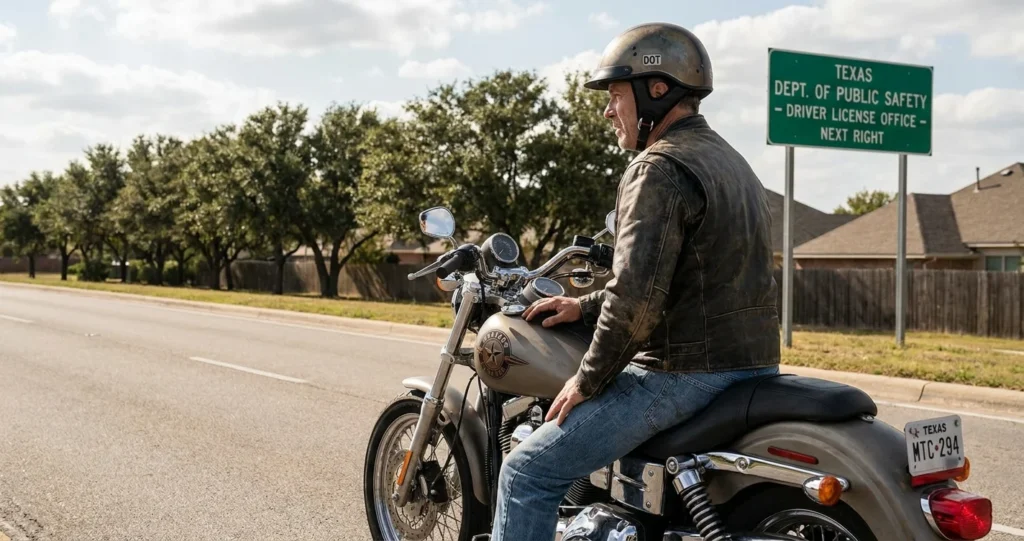
Texas requires a Class M license or endorsement to ride. Learn the rules, permit limits, and how an unlicensed status can affect a crash claim.
474 articles
Texas requires a Class M license or endorsement to ride. Learn the rules, permit limits, and how an unlicensed status can affect a crash claim.
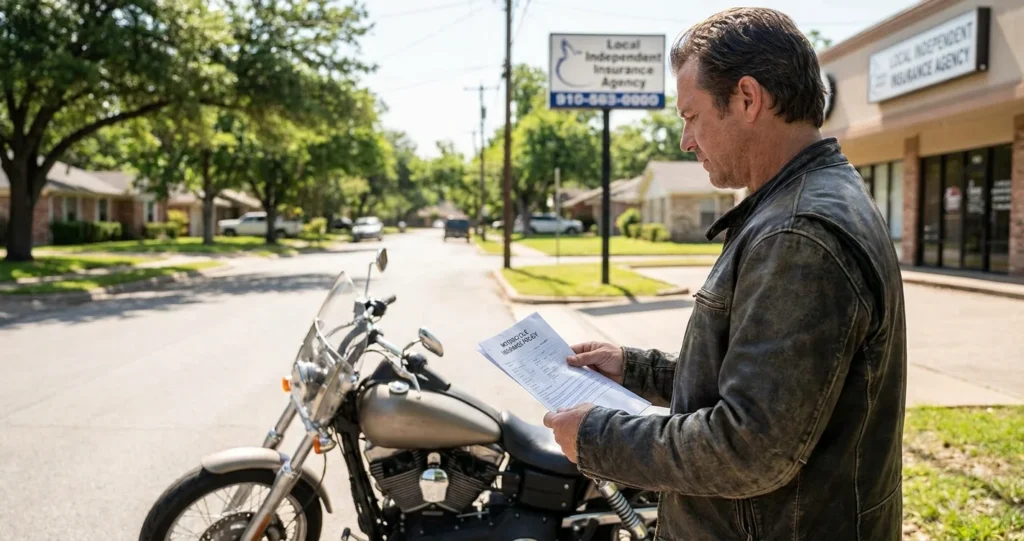
Texas requires 30/60/25 motorcycle insurance, but minimums rarely cover a serious crash. See which coverages protect you and your bike.
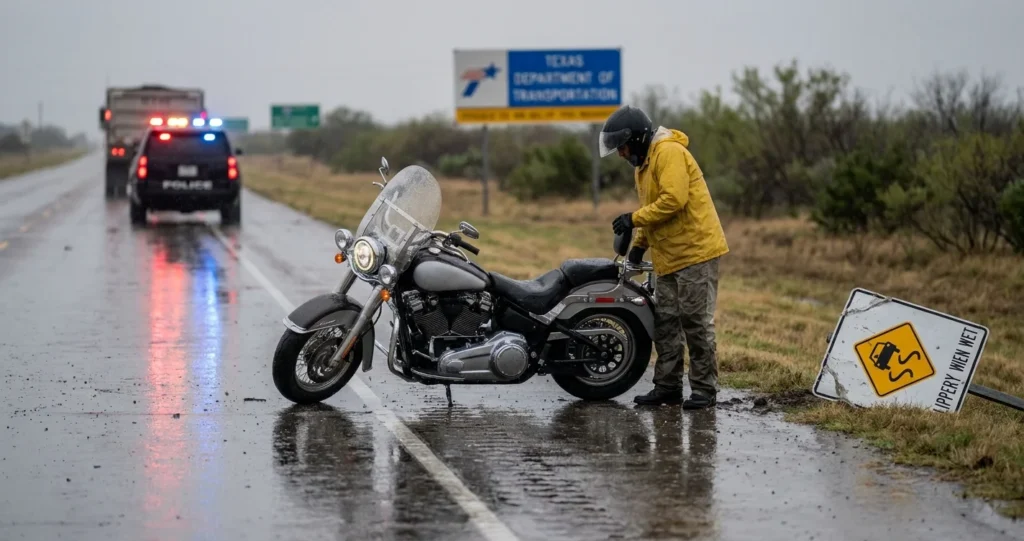
Riding in rain does not make you at fault. Learn how weather affects motorcycle accident fault in Texas, the 51% rule, and how to protect your claim.
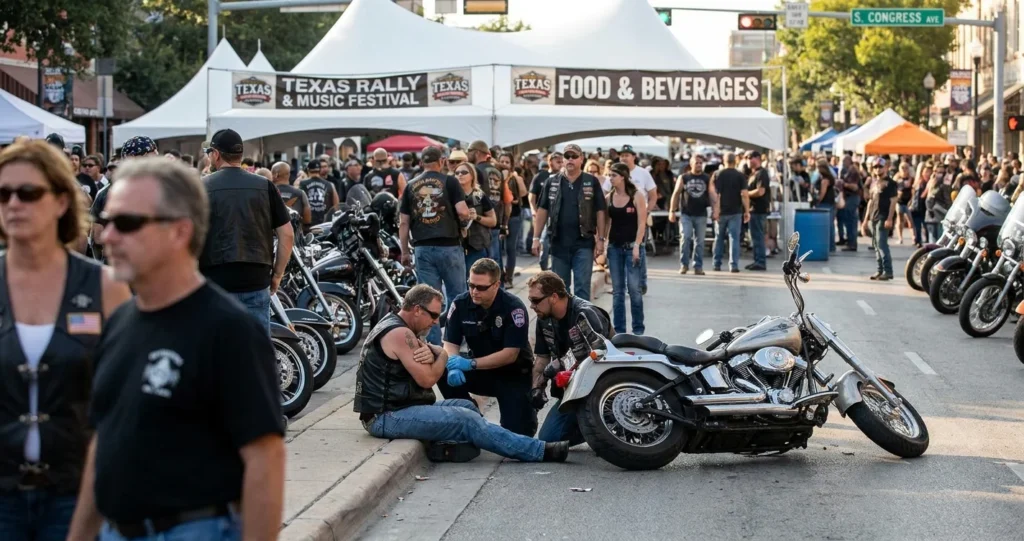
Hurt at a motorcycle rally or biker event in Texas? Learn how waivers, dram shop law, and organizer negligence affect your injury claim and recovery options.
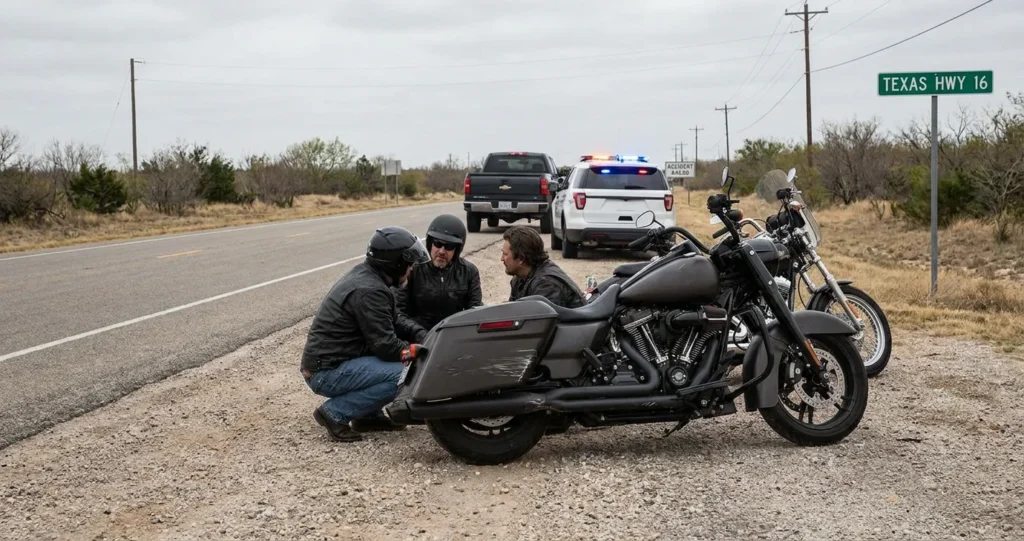
Injured in a Texas group ride crash? Learn how fault is shared across riders, what the lead rider owes, and how to file a claim against a co-rider.
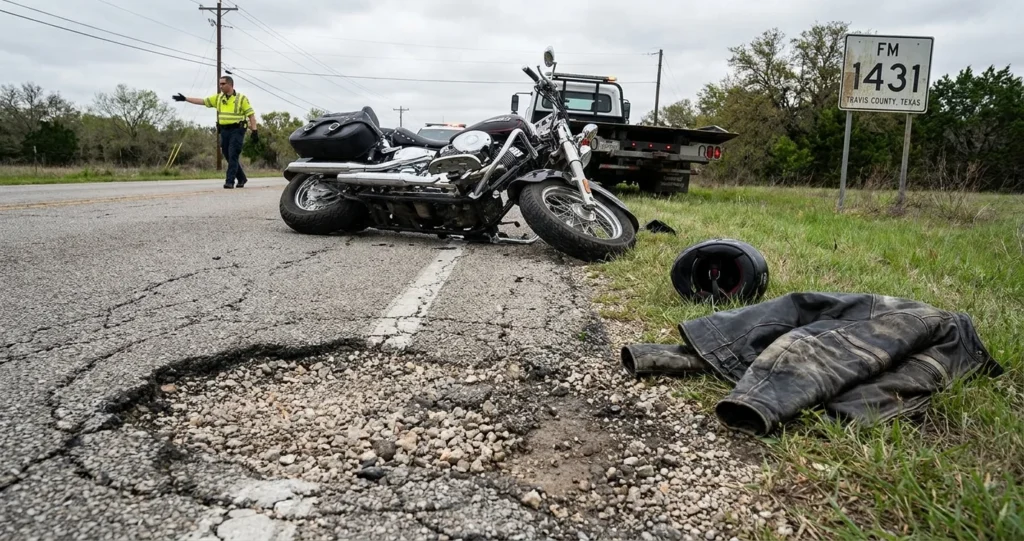
Learn how road hazards cause motorcycle accidents in Texas, who is liable, and the six-month deadline to file a claim against TxDOT or your city.
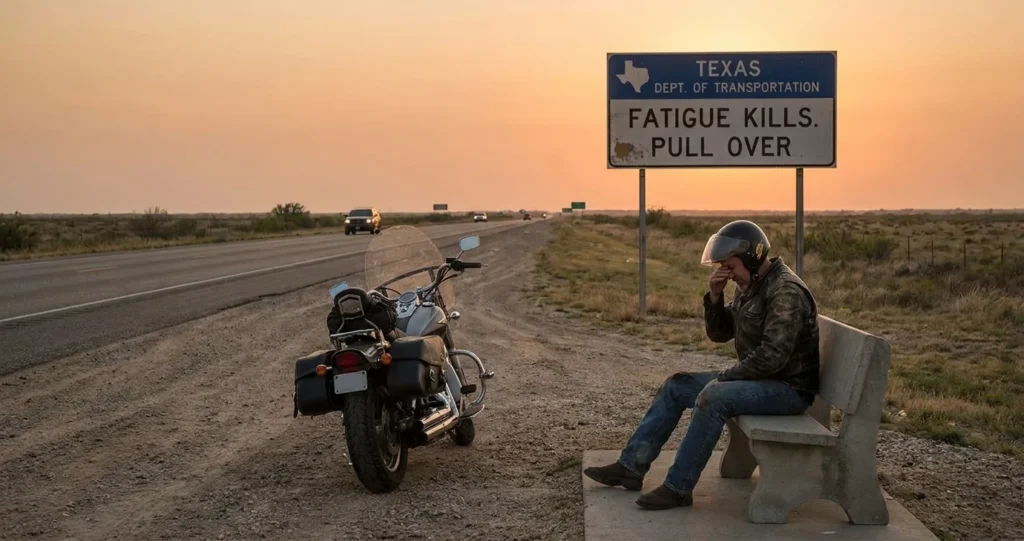
Drowsy drivers and fatigued riders cause serious Texas motorcycle crashes. Learn how HOS violations, logbooks, and negligence law determine who is liable.
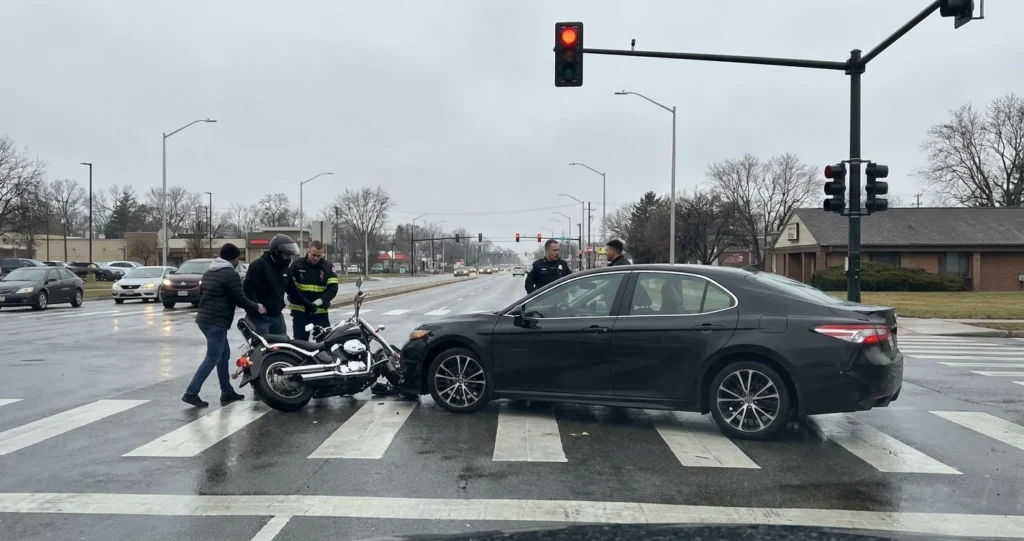
Hurt in a motorcycle crash at a stop sign or red light in Texas? Learn who is at fault, what evidence to save, and the two-year deadline to file.
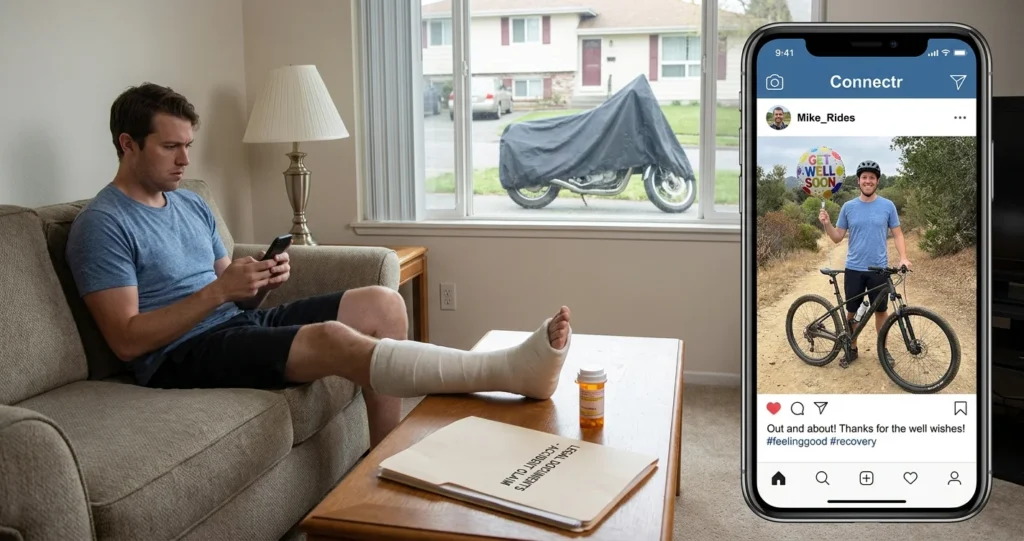
Insurance adjusters check your social media after a motorcycle crash. Discover what you should do on social media to protect your claim.
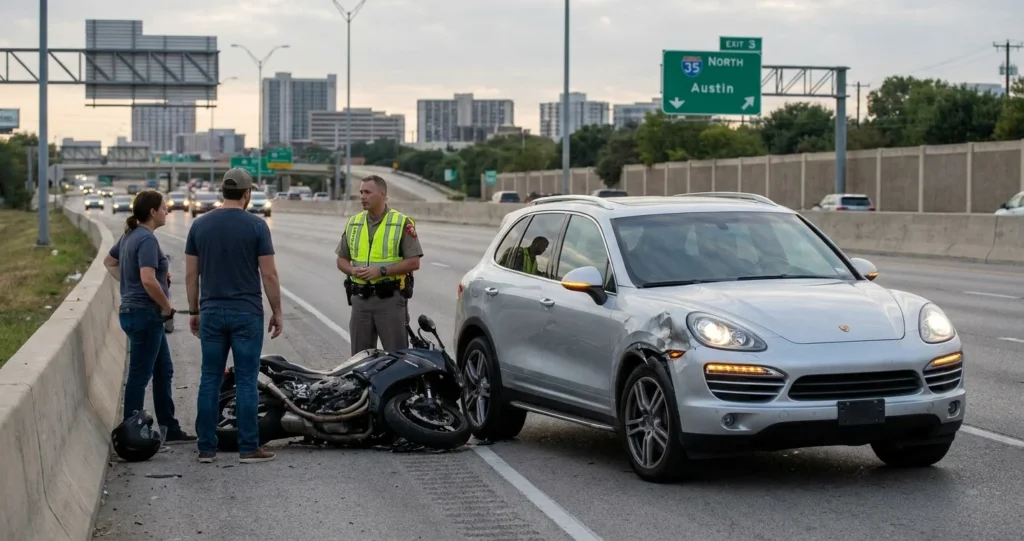
Learn how Texas law assigns fault in lane change motorcycle accidents, what evidence matters, and how comparative fault affects your recovery.
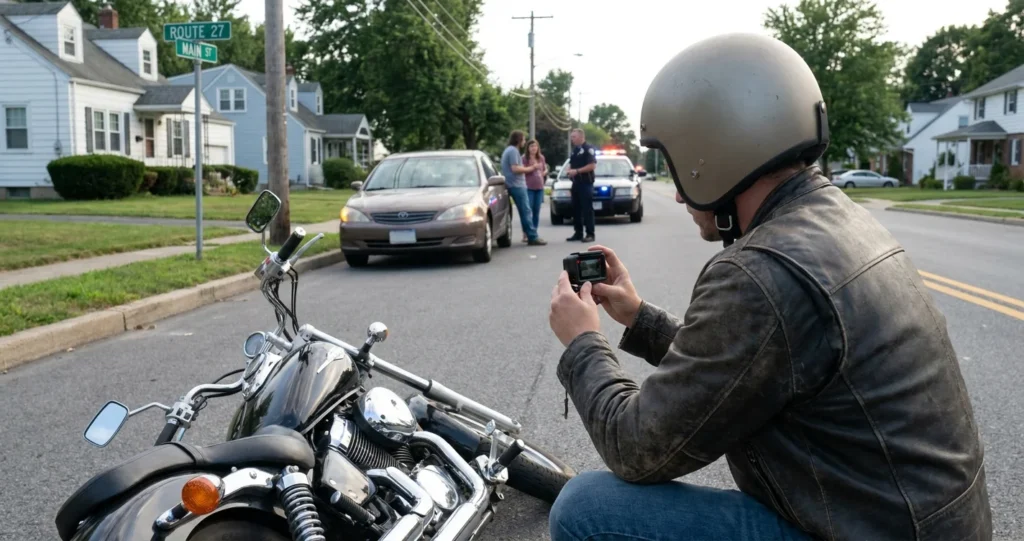
Dashcam and GoPro footage can prove fault in a motorcycle accident case. Learn how to preserve it, what makes it admissible, and when defense can use it.
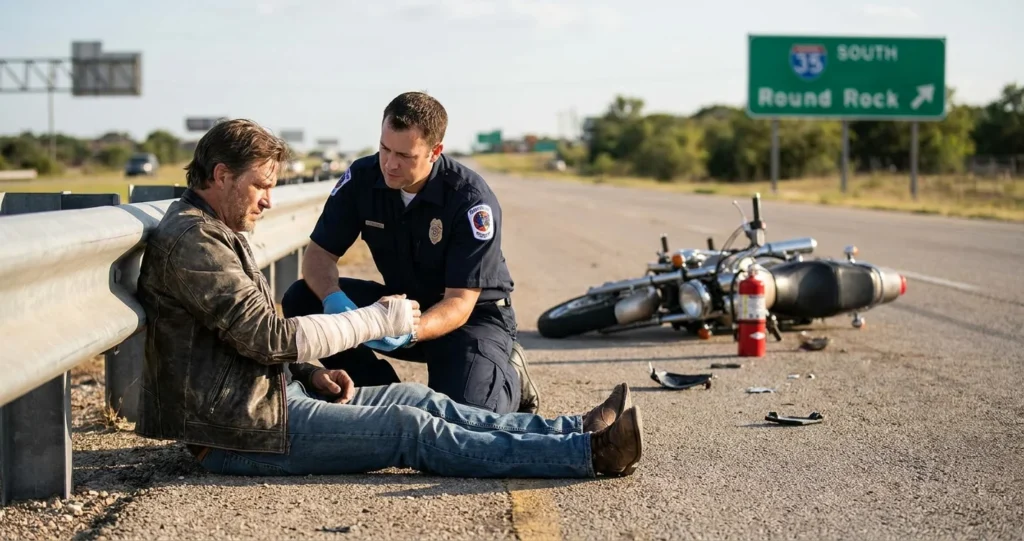
Learn how Texas motorcycle accident burn injury claims work after a crash, including damages for skin grafts, road rash, and chemical burns.