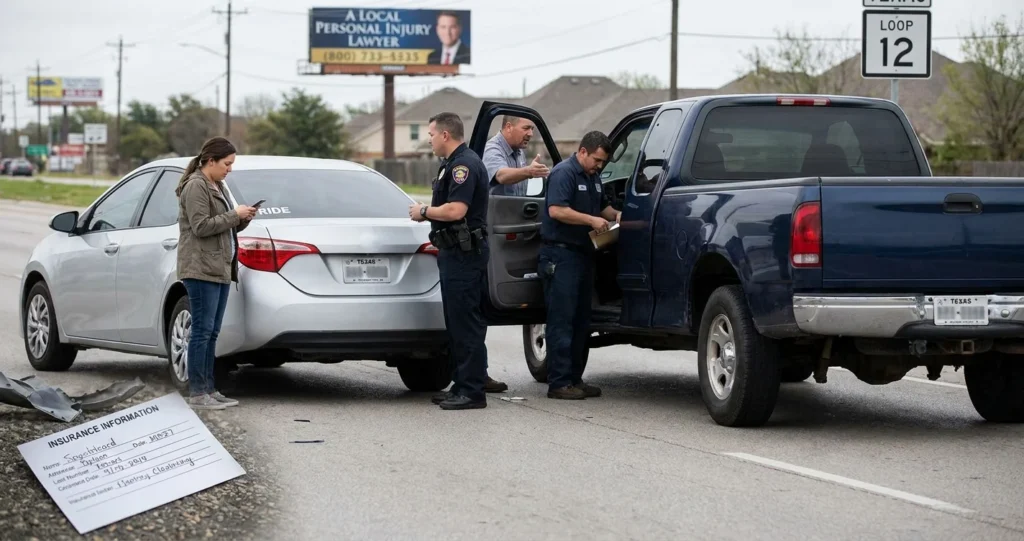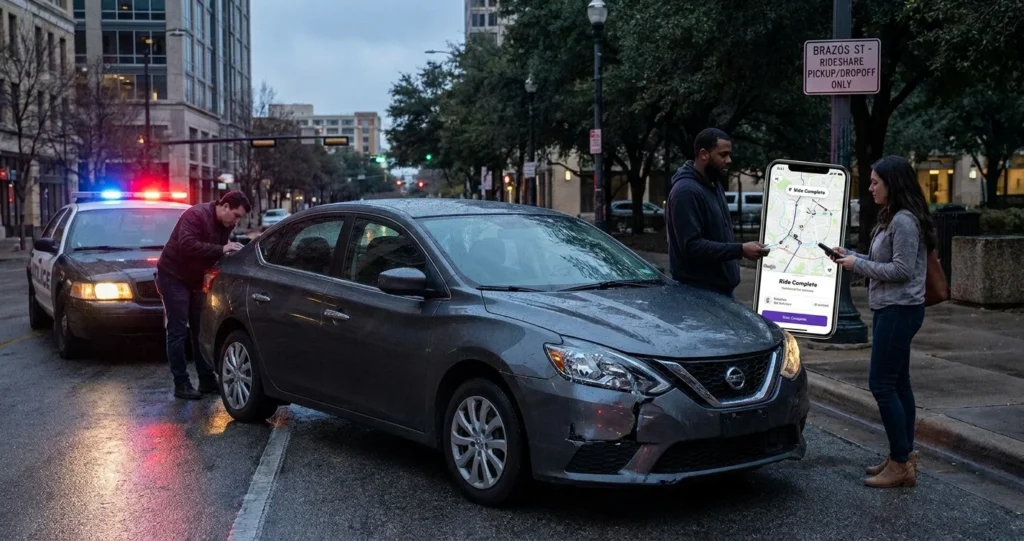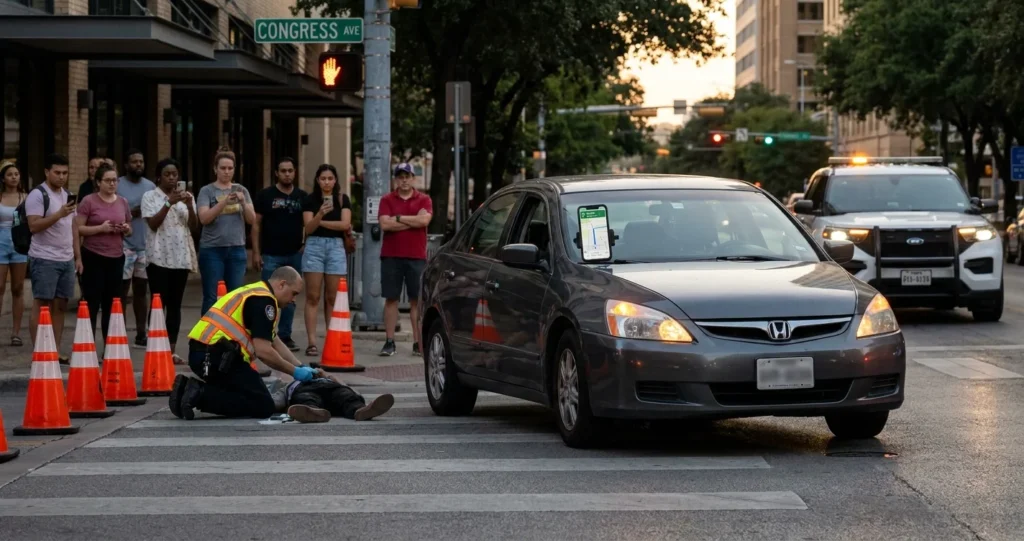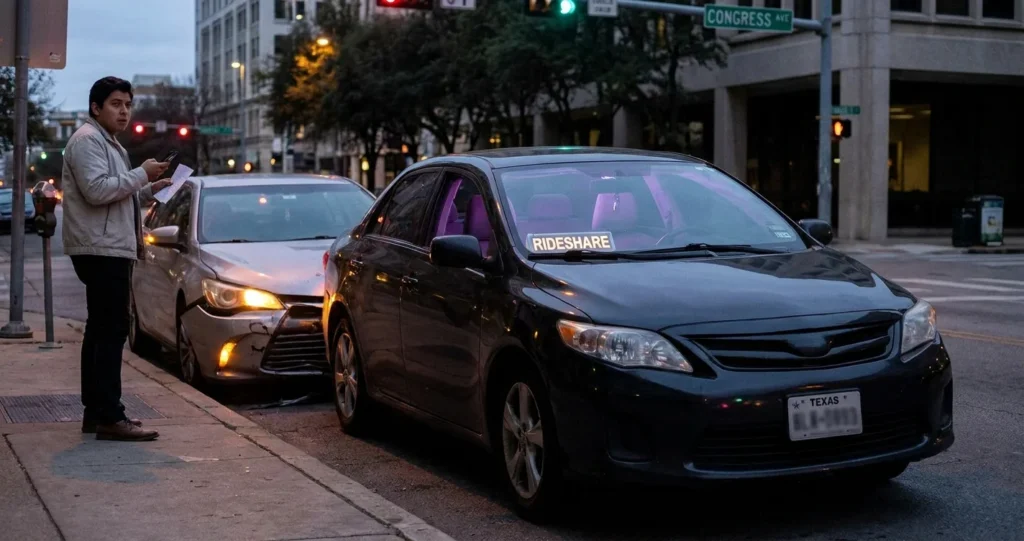
Comparative Fault in Rideshare Accidents in Texas
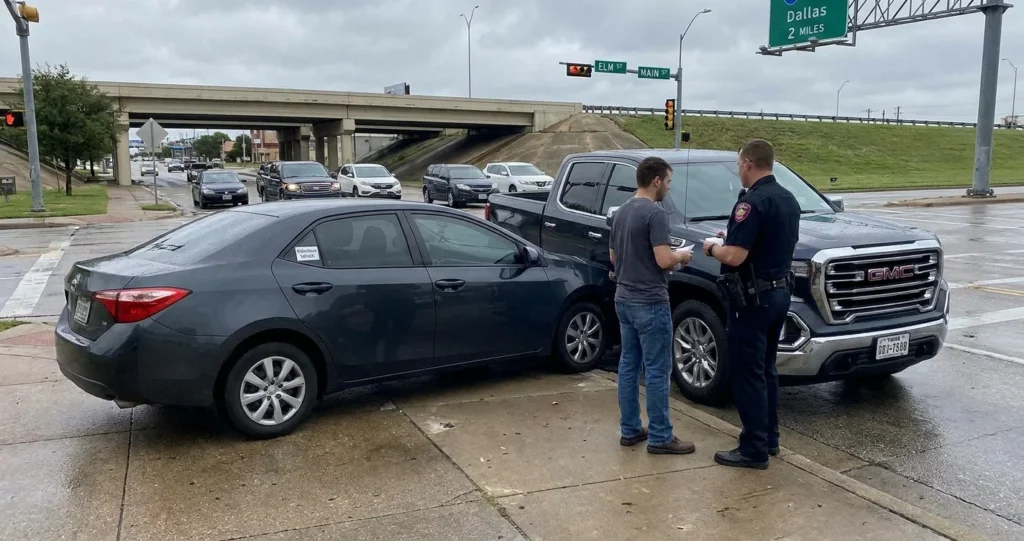
Injured as an Uber or Lyft passenger and partly at fault? Learn how Texas comparative fault and the 51% rule affect your rideshare accident claim.
123 articles
Injured as an Uber or Lyft passenger and partly at fault? Learn how Texas comparative fault and the 51% rule affect your rideshare accident claim.
Injured in a Dallas Uber or Lyft crash? Learn who can sue, how insurance periods affect your claim, and how Dallas County courts handle rideshare lawsuits.
Whiplash, TBI, spinal injuries, and soft tissue damage are common in Uber and Lyft crashes. Learn how each injury type affects your Texas claim and insurance coverage.
How rideshare settlement negotiation works in Texas: multi-insurer demand letters, three-way coverage disputes, and when mediation resolves your claim.
How Texas rideshare accident laws work, from TNC rules and driver background checks to insurance periods, fault, and the two-year claim filing deadline.
An uninsured driver hit your Uber or Lyft in Texas? Learn how rideshare UM/UIM coverage works and which policies pay for your injuries.
What a Lyft driver accident settlement covers in Texas: insurance periods, recoverable damages, fault rules, and the two-year deadline to file your claim.
Hit by an Uber or Lyft driver as a pedestrian in Texas? Learn which insurance covers you, how to identify the company, and how to file a claim.
Filing a Lyft accident claim in Texas? Learn the coverage periods, reporting steps, deadlines, and damages you can recover after a rideshare crash.
PTSD after a rideshare crash is a compensable injury under Texas law. Learn how to document your claim, what coverage applies, and your filing deadline.
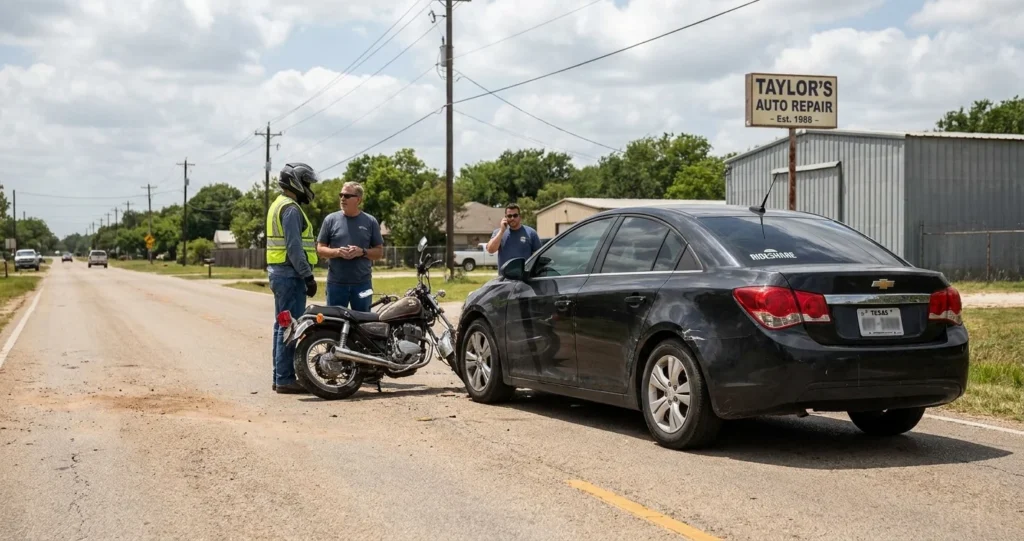
When an Uber or Lyft hits your motorcycle in Texas, available coverage depends on the driver's app status. Learn which policy pays and your two-year deadline.
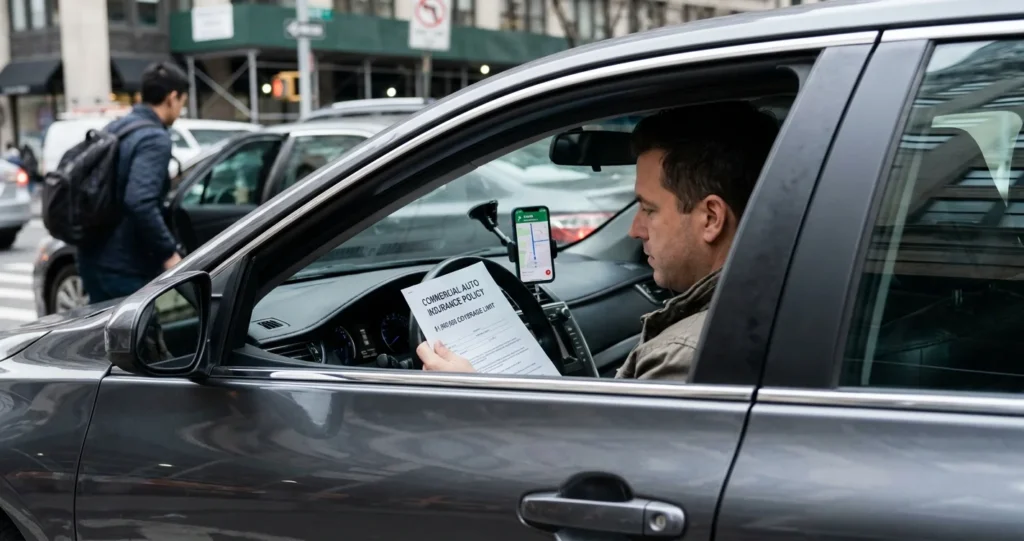
Uber's $1 million insurance policy does not always apply. Learn exactly when it activates, who it covers, and what to do after a rideshare crash in Texas.