How Motorcycle Accident Negligence Is Proven in Texas Courts
Learn how motorcycle accident negligence is proven in Texas, from duty and breach to causation, damages, and the 51% comparative fault rule.
148 articles
Learn how motorcycle accident negligence is proven in Texas, from duty and breach to causation, damages, and the 51% comparative fault rule.
Texas motorcycle laws explained: helmet rules, eye protection, lane splitting, mirrors, and the Class M license, plus how violations affect your accident claim.
See how motorcycle accident settlement negotiations work in Texas, from the demand letter and counter-offers to mediation and filing suit.
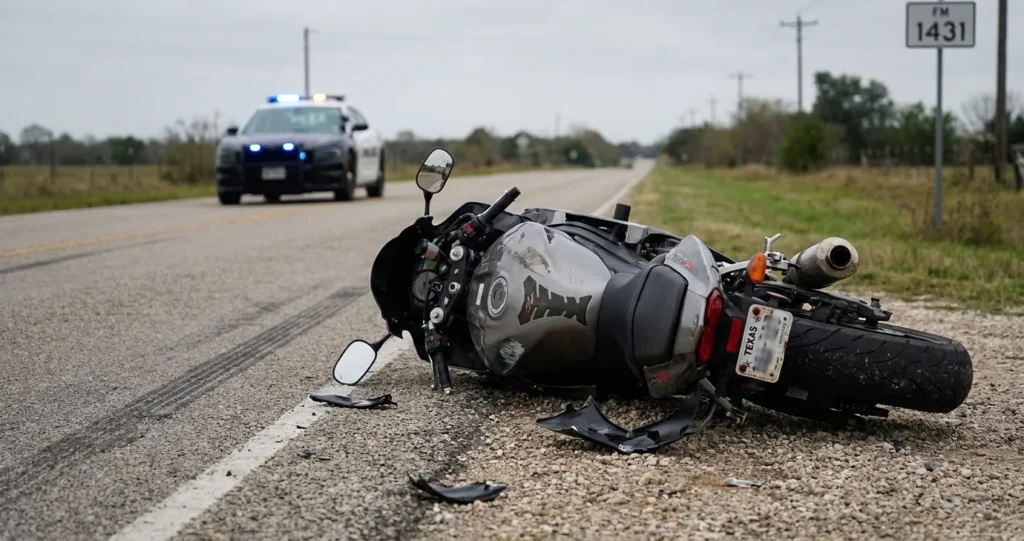
Hit by a driver who fled in Texas? Learn how UM coverage, the physical contact rule, and the two-year deadline shape your motorcycle claim.
Texas gives motorcycle crash victims two years to file a lawsuit. Learn the deadline, key exceptions, and the shorter government claim notice window.
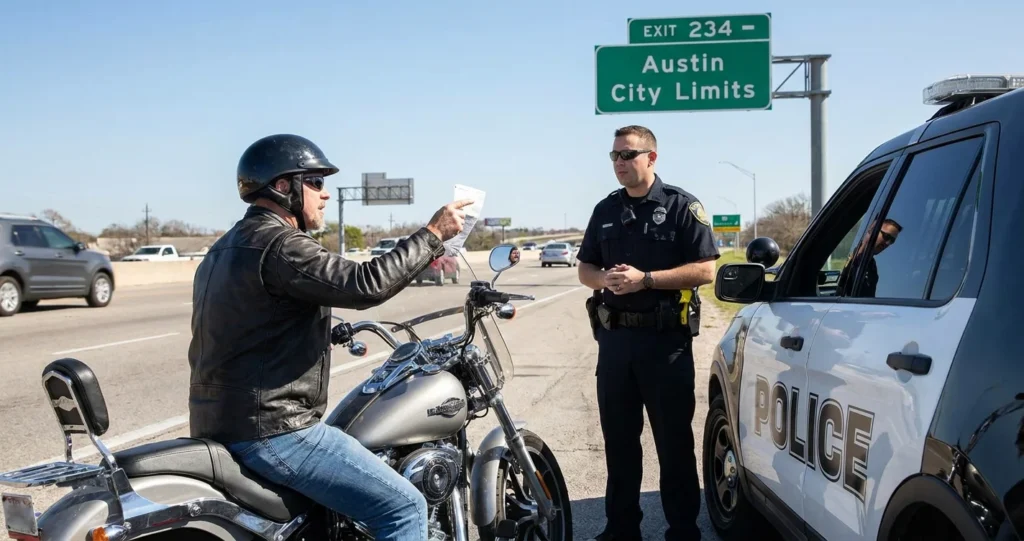
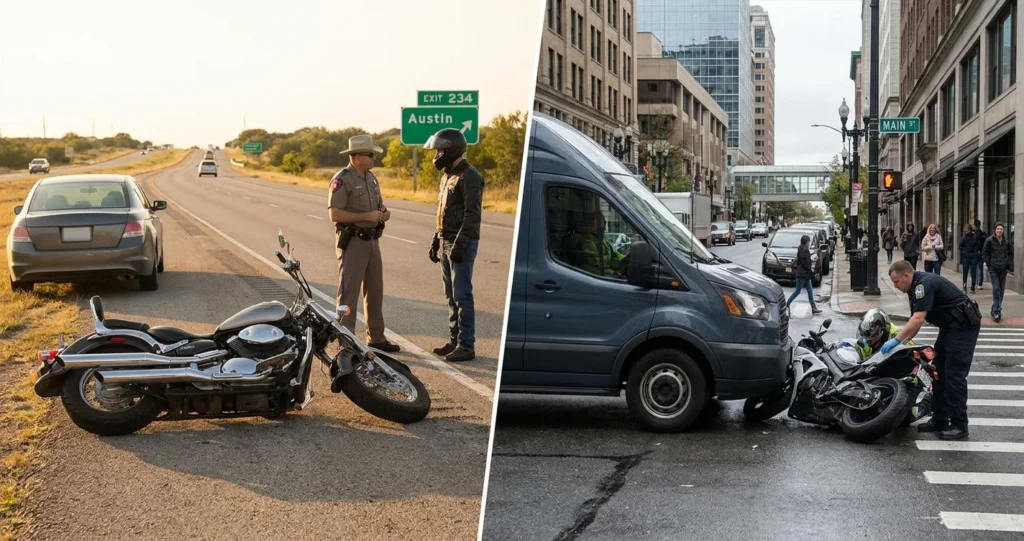
Learn How a Texas motorcycle accident on a highway differs from a city street crash, plus who is at fault, what evidence to save, and your filing deadline.
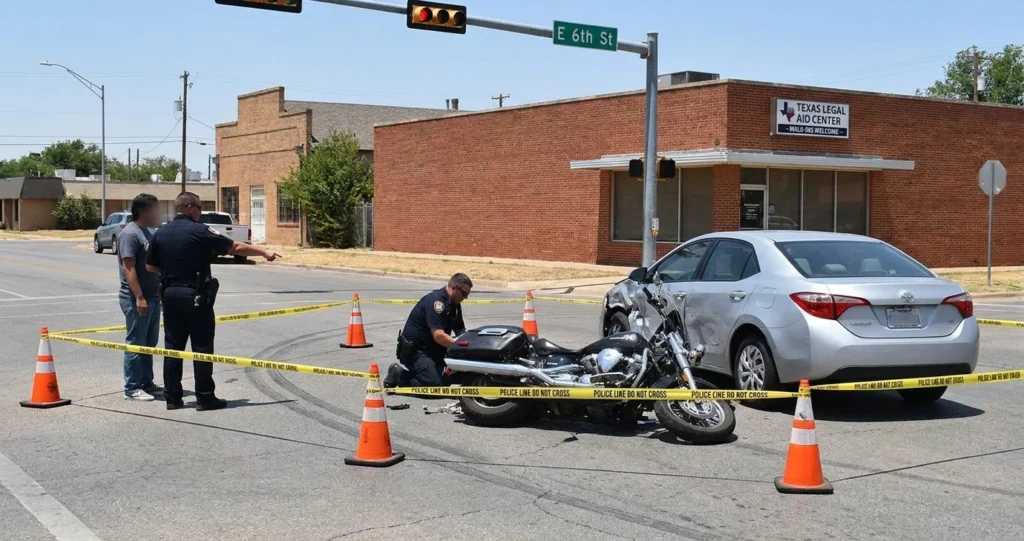
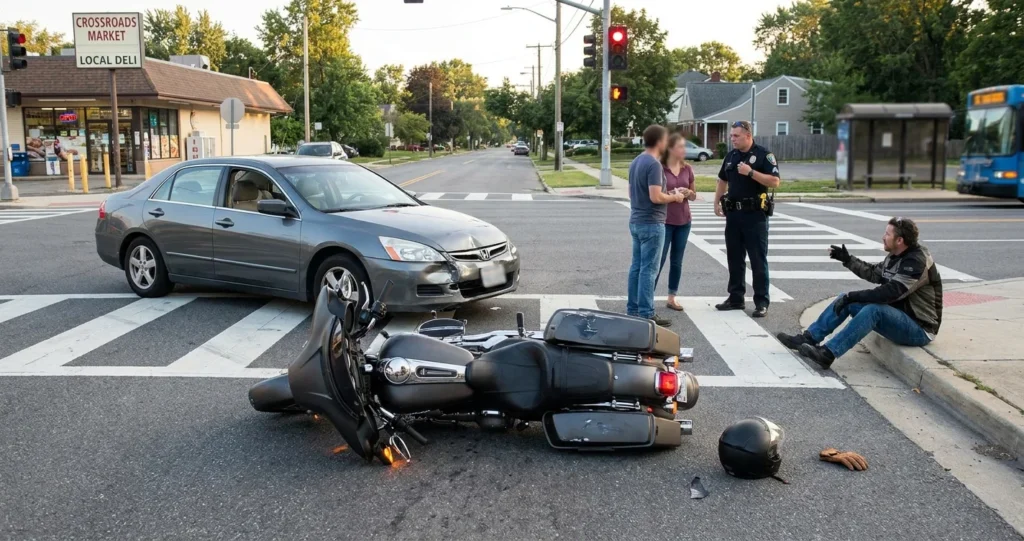
Learn who is at fault in a Texas intersection motorcycle accident, how the 51 percent rule works, what evidence proves fault, and your two-year deadline.
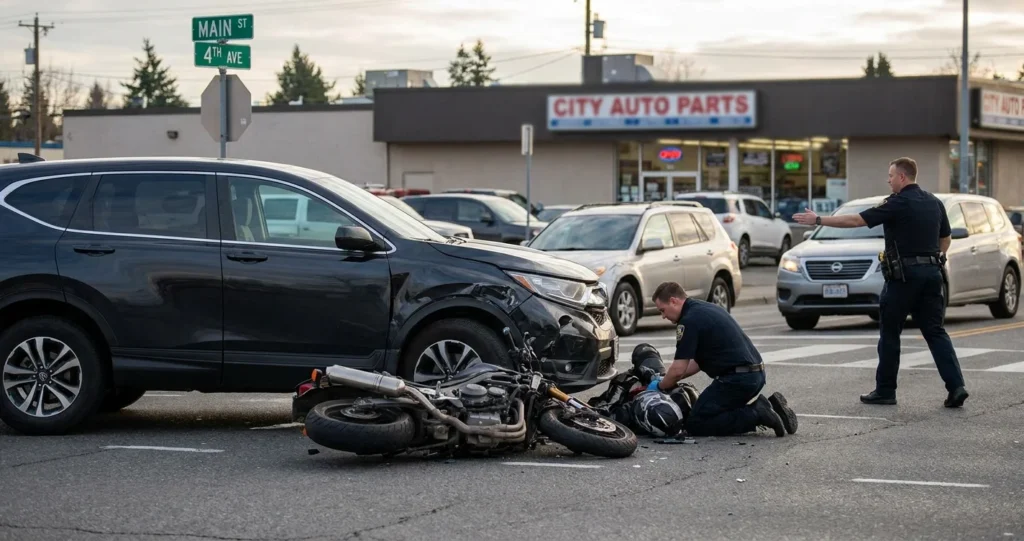
Where do most motorcycle accidents occur? TxDOT data points to intersections, then rural highways and city streets. See how location affects fault.
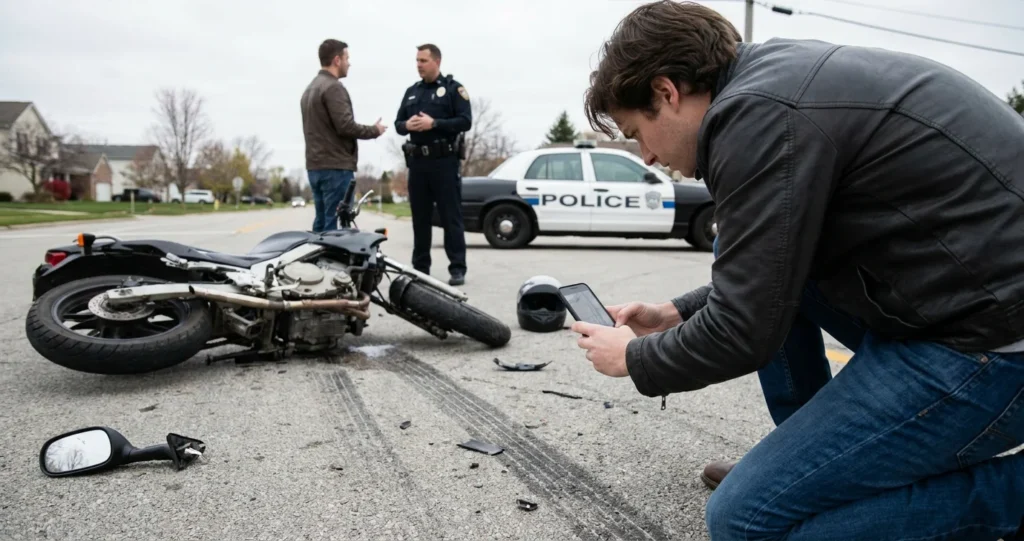
Learn what motorcycle accident evidence to gather, including what to photograph, request, and preserve to protect your injury claim.
Learn how subrogation liens affect your Texas motorcycle settlement, how Chapter 140 caps recovery, and where you have room to negotiate.
Learn the difference between a motorcycle accident insurance claim vs. lawsuit in Texas, including what triggers filing suit and how it changes insurer negotiations.
Not wearing a helmet doesn't bar your Texas motorcycle accident claim. Learn how comparative fault works, the over-21 exemption, and how to protect your recovery.