The Ultimate Guide to Insurance Coverage in Texas Auto Accidents
Want to know more about what to expect when filing a claim? Get the low-down on insurance company processes, tactics, and tricks they hope you'll fall for.

97,485
Serious & Fatal Injury Crashes in Texas in 2025 (TxDOT)
$1,429
Average Texas Auto Insurance Premium (NAIC)
11.9%
Percentage of uninsured motorists in Texas (TexasSure)
How to Do It Right
Tips for Filing a Successful Insurance Claim
Keep Records Carefully
Doctor visits, prescription costs, and even car repair quotes.
Build an Organized Case File
Be able to provide documentation quickly.
Stick to Facts
If asked a question you aren't sure about, say so. Don't make up an answer.
Don't Miss Deadlines
Texas law gives just 2 years to file a claim, sometimes less.
Insurance Coverage Basics
Every Coverage on Your Policy & What Each One Does
Different types of insurance cover different things. Make sure your policy has the coverage you need, and know which policy to file a claim against if you're involved in a crash.
Collision Coverage in Depth
What it pays, and when it applies.
PIP vs. MedPay vs. UM/UIM
Three injury coverages, three different jobs.
Comprehensive Coverage
Coverage for storm damage, theft, and more.
What "Full Coverage" Means
The phrase carriers use that means very little.
Texas Minimum Coverage
The 30/60/25 floor every Texas policy starts from.
Collision vs. Comprehensive vs. Liability
The three core coverages, side by side.
How Deductibles Work
What you pay before coverage starts.
Policy Exclusions
The carve-outs that quietly void a claim.
Rental Reimbursement
Whether your policy follows you into a rental.
Towing & Roadside
When your policy pays for the tow.
Texas Claim Process
What to Expect When Filing a Claim
The claims process sounds straightforward, but rarely follows the same path. Every case is unique, so here is some important information to know when going through your claim.
Filing a Claim, Step by Step
The full process from first call to payout.
How Long It Takes
Realistic timelines for a Texas settlement.
Witness Statements
How witness accounts get collected and used.
Do You Need a Police Report?
Whether a CR-3 is required to file.
When Both Drivers Blame Each Other
Disputed liability, and how it gets resolved.
The 51% Bar Rule
How your share of fault reduces what you recover.
Accident Photos
What to shoot, and what insurers do with it.
Claiming Lost Wages
Documenting income you lost after the crash.
Missing a Deadline
What happens when you file too late.
Subrogation
When your own insurer wants its money back afterward.
Vehicle Damage Claims
Recovering the Cost of Fixing or Replacing Your Vehicle
Is the insurer undervaluing your car? Are they only covering the cost of aftermarket parts? These are a few common issues with insurers replacing or fixing damaged cars. Get the answers you need about this process and your options here.
Texas law requires all policies include UM/UIM coverage unless it is declined in writing by the customer. If you aren't sure, check your policy documents to see if you have this coverage.
Actual Cash Value
How insurers decide what your car was worth.
Repair Estimates
How carriers build a repair estimate.
OEM vs. Aftermarket Parts
Whether insurance pays for original parts.
Diminished Value
Recovering the value a repaired car lost.
Total Loss & Salvage Titles
ACV, salvage titles, and what a total loss means.
Totaled but Still Owe?
Gap insurance and loan payoff after a total loss.
Uninsured & Underinsured Motorists
When the Other Driver Cannot Pay
If the other driver doesn't have insurance (or doesn't have enough to cover your losses), your own policy may be the solution. Here's what to know about UM/UIM policies.
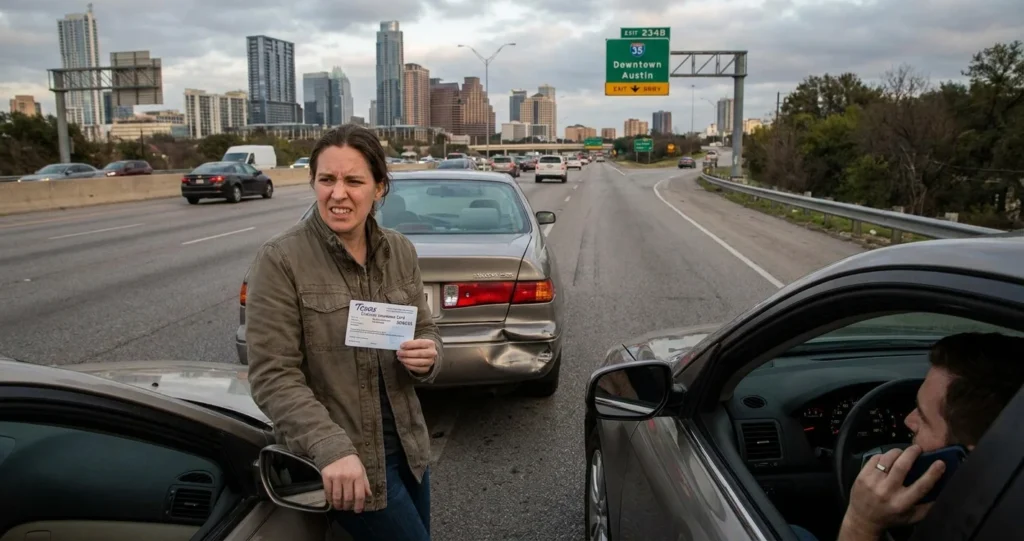
Fake Insurance Cards
When their proof of insurance turns out to be fake.
Lapsed Policies
When their coverage had already expired.
Hit-and-Run Coverage
UM/UIM when the other driver flees.
Motorcycle UM/UIM
How the coverage applies to riders.
Riding in a Friend's Car
Whose UM/UIM applies when you are the passenger.
Stacking Policies
Combining limits across multiple policies.
Driving a Borrowed Car
PIP and UM/UIM in someone else's vehicle.
When Your Own Insurer Fights You
Why your carrier resists its own UM/UIM claims.
When Multiple Policies Apply
Sorting out which coverage pays first.
Driving for Work
UM/UIM in a company vehicle.
Pushback & Objections
How to Handle Insurer Resistance
Insurance companies want to settle cases for as little as possible, so don't be surprised if they push back on your claim. Here are some common tactics they employ.
An insurer's first offer is rarely their best offer. Have your case reviewed before signing anything.
Outsmarting the Adjuster
What adjusters are trained to do, and how to counter it.
Recorded Statements
Why they ask, and why you should decline.
Insurer-Selected Medical Exams
The "independent" exam the insurer picks and pays for.
Blaming You for Your Injuries
The causation argument they reach for.
Why They Underpay
The structural reasons offers come in low.
How They Investigate You
How insurers build a file on your claim.
Stalling and Delay
Silence used as a negotiating tactic.
Mining Your Medical History
How they hunt for a pre-existing condition to blame.
The Lowball Offer
Countering the first number they put in front of you.
When Your Claim Is Denied
Your options after a denial letter.
Commercial Vehicle Insurance
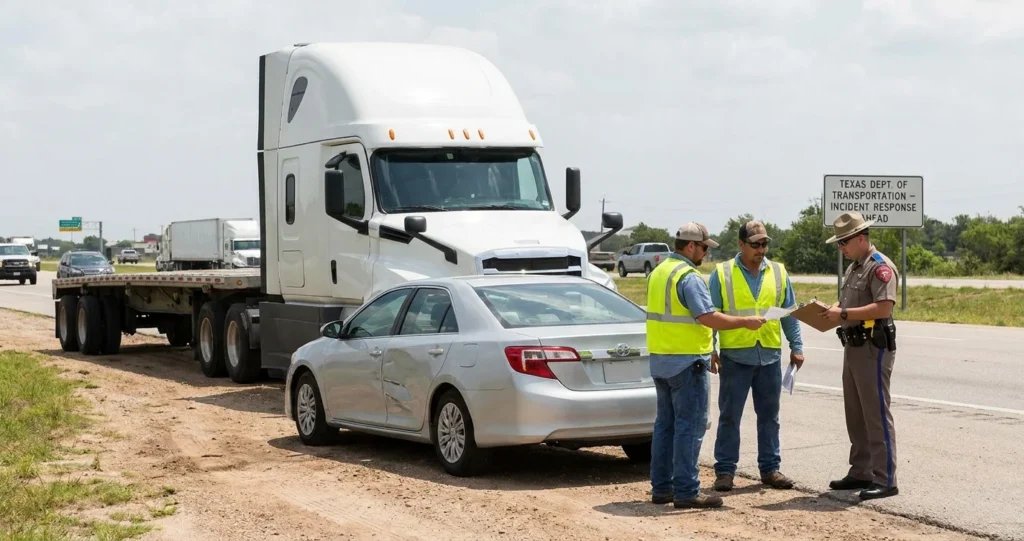
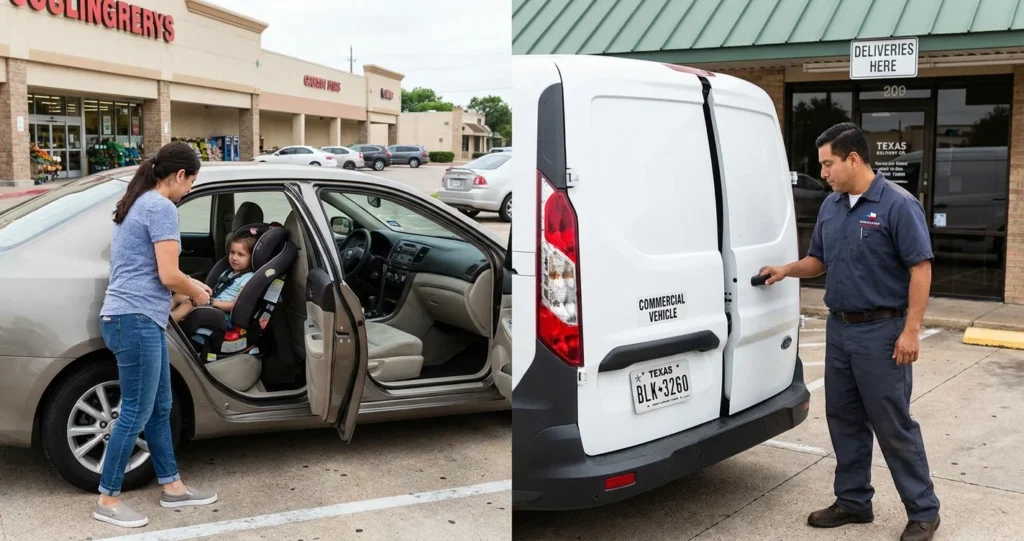
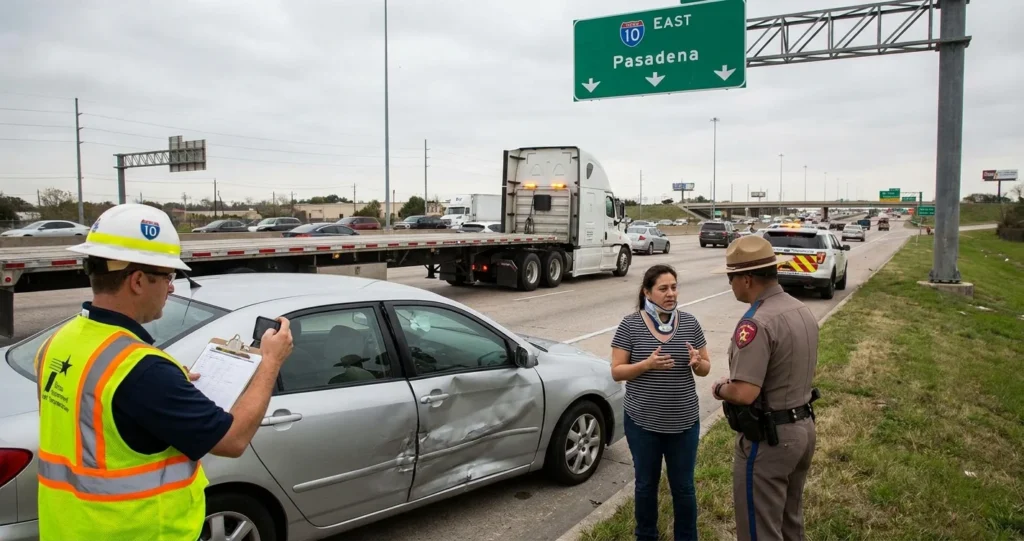
Claims Involving Trucks, Vans & Fleet Vehicles


Review Your Options
Don't Sign That Offer!
If you or a loved one has been injured, and the insurance company is pushing you to sign their offer, let an attorney from Angel Reyes & Associates review your options with you.